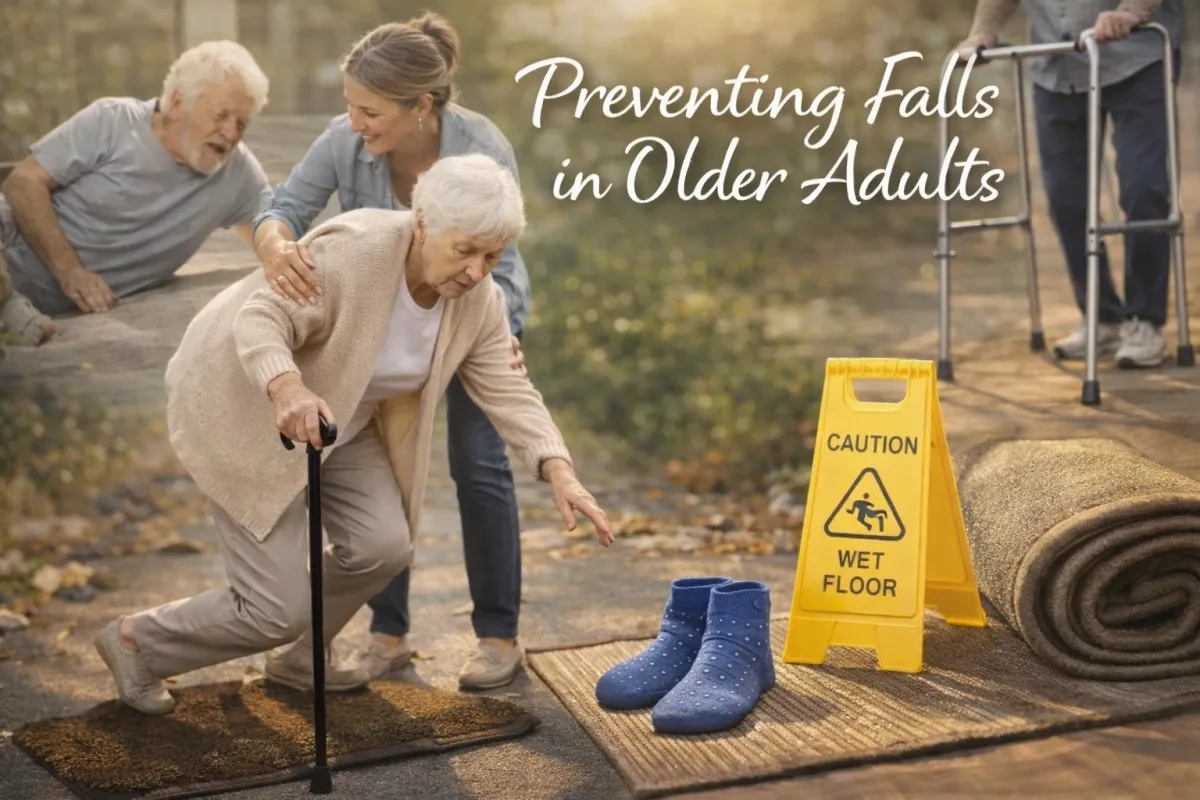
Preventing Falls In Older Adults
Falls are one of the most common health concerns affecting older adults. Around one in three people over the age of 65 will experience at least one fall each year. While some falls may result only in minor injuries, others can lead to fractures, hospital admissions, loss of confidence, and reduced independence.
The good news is that many falls are preventable, and community physiotherapy plays an important role in helping older adults stay safe, active, and independent for longer.
Why Do Falls Happen?
Falls rarely have a single cause. In most cases, they occur due to a combination of factors that gradually affect balance and mobility.
Some of the most common causes include:
Reduced muscle strength - As we age, muscles naturally become weaker, particularly in the legs. This can make it harder to stand up, walk safely, or recover balance if we stumble.
Balance problems - Balance relies on several systems working together: vision, inner ear (vestibular system), sensation from the feet and joints, and muscle strength. If any of these systems are affected, stability can be reduced.
Medical conditions - Conditions such as arthritis, stroke, Parkinson’s disease, diabetes, or dementia can all increase the risk of falling.
Dizziness or low blood pressure - Some people feel lightheaded when standing up or turning their head quickly, which may lead to loss of balance.
Environmental hazards - Poor lighting, loose rugs, clutter, or unsuitable footwear can increase fall risk at home.
The Impact of Falls
The consequences of a fall often go beyond the physical injury.
Many older adults develop a fear of falling, which may lead them to reduce their activity levels. Unfortunately, moving less can result in further muscle weakness and poorer balance, increasing the risk of future falls.
This cycle can lead to loss of confidence, reduced independence, and social isolation.
How Community Physiotherapy Helps
Community physiotherapists work with older adults in clinics, care homes, or their own homes to assess and reduce fall risk.
A physiotherapy assessment usually includes:
Walking and balance evaluation
Strength testing, particularly in the legs
Review of mobility aids such as walking frames or sticks
Assessment of dizziness or vestibular problems
Discussion about previous falls and daily activities
Based on this assessment, a personalised plan is created.
Strength and Balance Exercises
One of the most effective ways to prevent falls is through specific strength and balance exercises.
These may include:
Sit-to-stand practice
Heel raises
Marching on the spot
Balance training
Walking practice
Research consistently shows that targeted exercise programmes can significantly reduce fall risk.
Improving Confidence in Movement
Physiotherapy also focuses on helping people feel confident again in their movements. This might involve practicing:
Safe walking strategies
Turning and changing direction
Getting up from a chair or bed
Navigating steps or uneven surfaces
Addressing Dizziness and Vestibular Problems
Some falls are related to dizziness caused by inner ear conditions. In these cases, vestibular rehabilitation exercises can help retrain the balance system and improve stability.
Advice for a Safer Home Environment
Community physiotherapists often provide practical advice for reducing hazards at home, such as:
Improving lighting
Removing loose rugs
Installing grab rails
Reviewing appropriate footwear
Ensuring walking aids are correctly adjusted
Small Changes Make a Big Difference
Maintaining strength, balance, and mobility is essential for healthy aging. Even small, regular exercises can make a meaningful difference in reducing fall risk and maintaining independence.
Family members and caregivers also play an important role by encouraging activity, ensuring safe environments, and supporting older adults in staying engaged with physiotherapy programmes.
Final Thoughts
Falls are not an inevitable part of aging. With the right support, assessment, and targeted exercises, many falls can be prevented.
Community physiotherapy aims to help older adults stay stronger, steadier, and more confident, allowing them to continue living active and independent lives.
Key Takeaways:
Falls are one of the most common challenges affecting older adults living in the community. They can lead to injury, reduced confidence, and loss of independence, but many falls are preventable. With the right support, assessment, and targeted exercises, community physiotherapy can play a key role in helping older adults improve their strength, balance, and mobility, allowing them to remain active and safe in their daily lives.
About the Author:
Ileana Dascalu is a community physiotherapist for elderly people, promoting recovery, wellbeing and independence at home.
